
ROLE GUIDE 09
Hook-up Safety Management
Routine work deserves a fresh safety check every day.
- 01
- Hook-up Jobsite
- 02
- Jobsite + Training Room + Safety Office
- 03
- Train + Inspect + Improve + Record
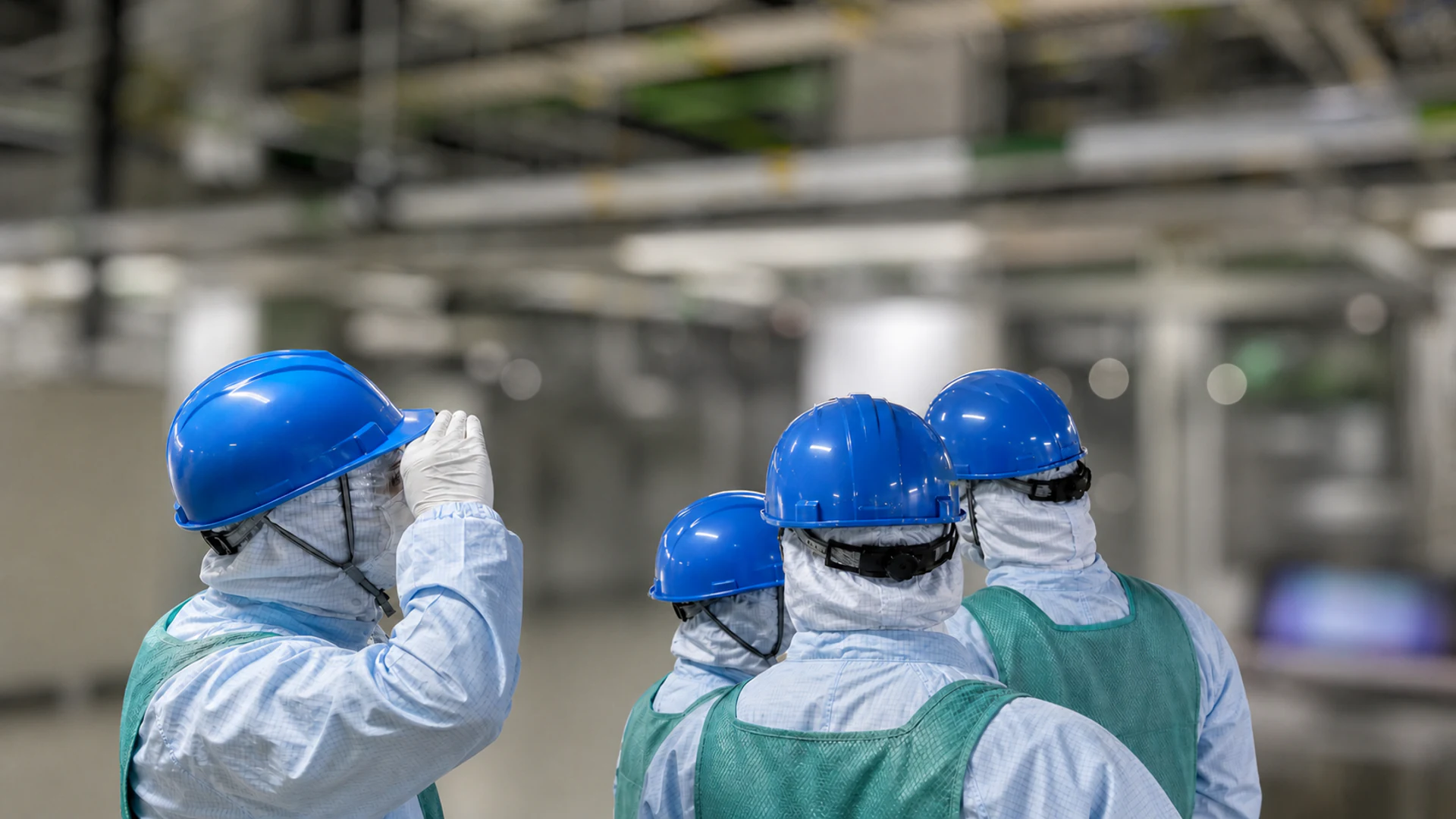 FIELD INSPECTION
 The people shown are fictional, and identifying details in the site background are blurred for privacy.
WHAT HOOK-UP SAFETY MEANS
Look for hazards, even in familiar work.
Hook-up crews often perform similar tasks in the same areas, which can make hazards easy to overlook. Consistent checks help catch human error, gaps in understanding standard operating procedures (SOPs), missing personal protective equipment (PPE), and incomplete paperwork before work begins.
Safety specialists learn how crews work, agree on practical controls with construction managers and workers, and follow up on site to confirm those controls are in place.
PLAN · DO · CHECK · ACT
Plan the work. Put controls in place. Check the results. Improve.
The Plan–Do–Check–Act cycle uses each inspection to improve safety on the next job.
PLAN Set the inspection focus and criteria
Review routine tasks, recent safety findings, and incidents to decide which hazards and requirements the inspection will focus on.
- 01
PLAN
Set the inspection focus and criteria
Review routine tasks, recent safety findings, and incidents to decide which hazards and requirements the inspection will focus on.
- IN
- Work plan + SOPs + risk assessment
- OUT
- Inspection focus + criteria
- 02
DO
Train crews and prepare the jobsite
Explain requirements through toolbox talks, new-hire orientation, task-specific training, and regular refresher sessions. Confirm that crews have the right PPE and conditions are safe for the planned work.
- IN
- Inspection plan + training needs + work conditions
- OUT
- Training records + pre-work readiness
- 03
CHECK
Identify hazards in routine work
During site inspections, check PPE, tools, work methods, and records. Investigate what allows the same hazards to recur.
- IN
- Site conditions + worker feedback + records
- OUT
- Safety findings + evidence of causes
- 04
ACT
Turn findings into practical action
Review the cause and the impact on the work with construction managers. Put corrective measures in place, then return to the area to verify the results.
- IN
- Cause + impact on work + crew feedback
- OUT
- Corrective actions + verification records
FIELD PRACTICES
See how training and inspections support safer work.
These scenes are based on work photos shared by the team, with personal and site details removed.
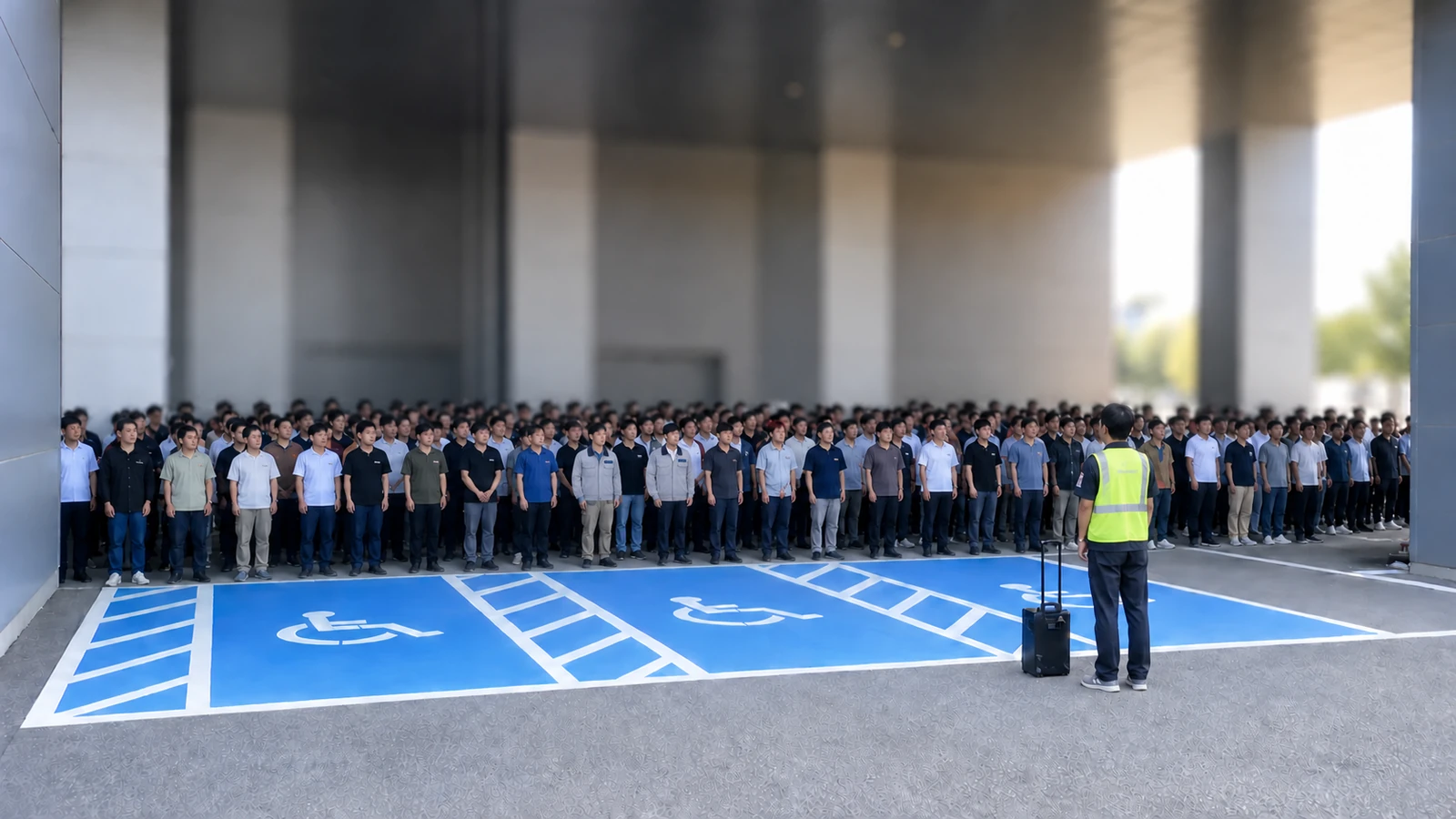 SCENE 01
 Toolbox talks
Before the shift, crews gather to review planned work and key hazards so everyone understands the day’s safety requirements.
 SCENE 02
 Task-specific safety training
Provide training tailored to the task and its hazards, and explain how workers should apply it on the job.
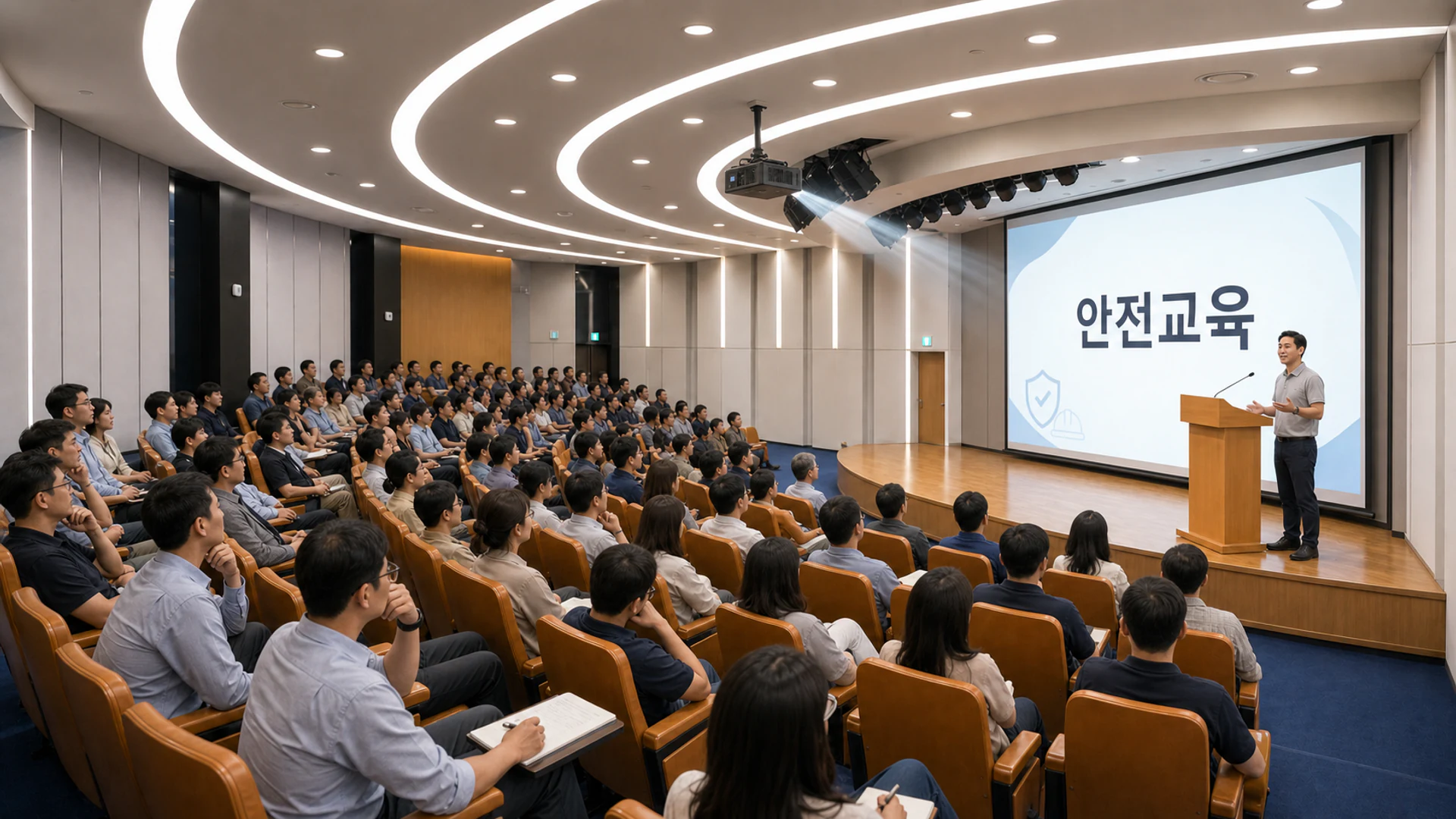 SCENE 03
 Regular safety and health training
Use regular training sessions to review recurring hazards and recent incidents, and reinforce safety requirements across the workforce.
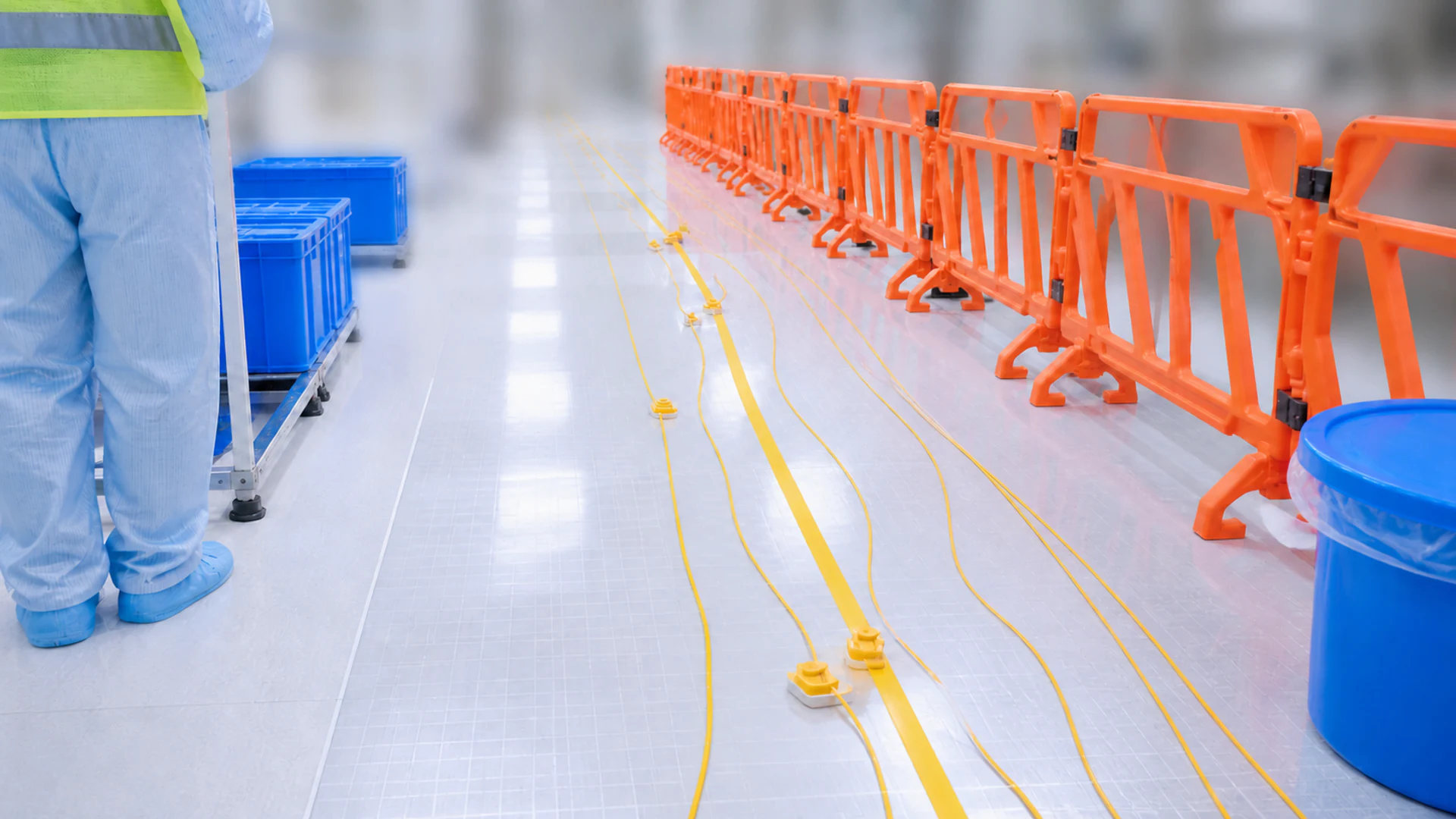 SCENE 04
 Tool and access inspections
Check tools, temporary cables, barricades, and walkways so crews can work and move through the area safely.
CASE RECORD 01
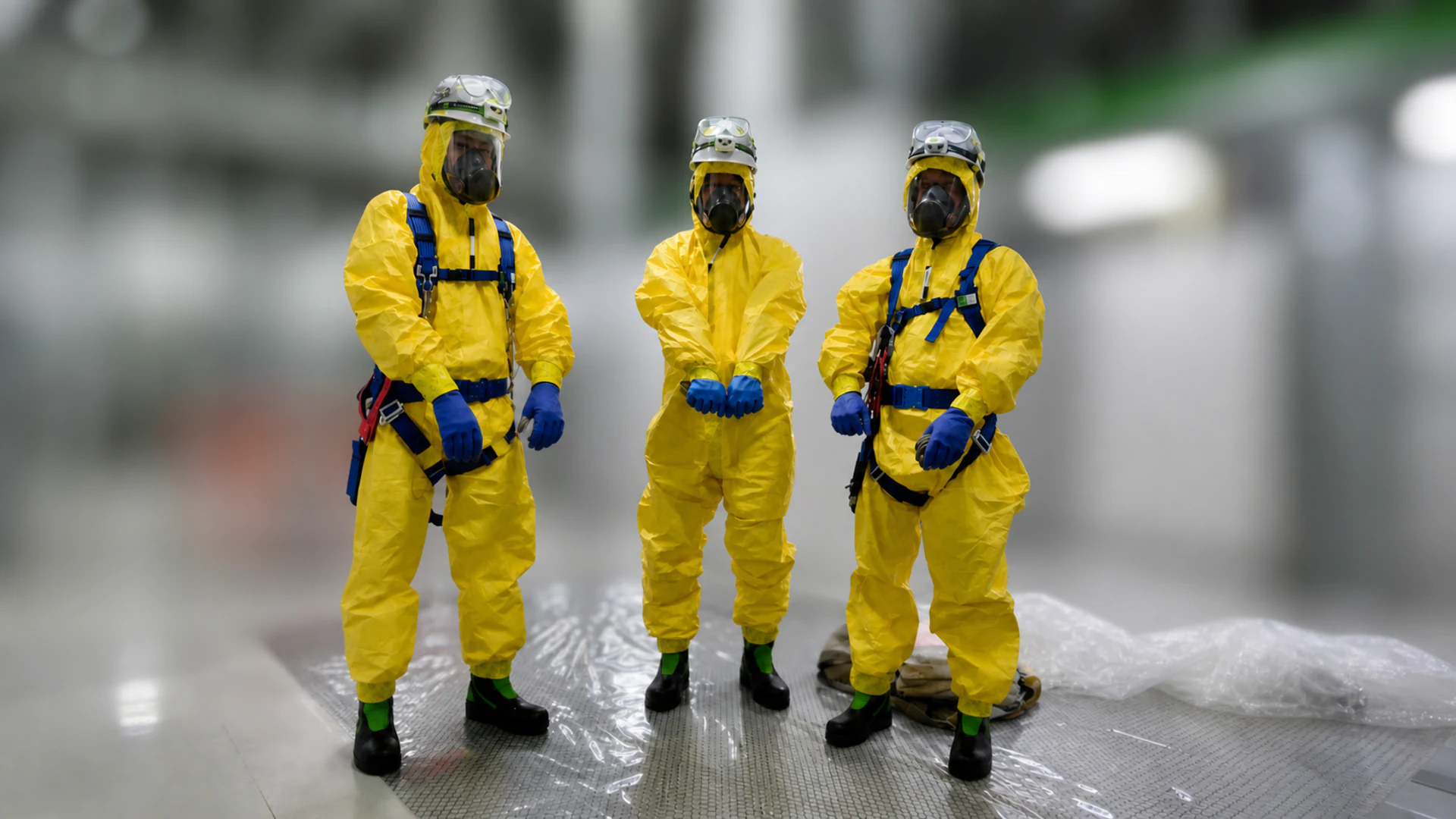
A pre-work PPE check prevented chemical exposure during pipe removal.
Removing process piping at a facility with process safety management (PSM) requirements can expose crews to residual chemicals. Clear communication and a PPE check are essential before work begins.
 PPE CHECK
 - 01 RISK
Risk of chemical exposure during pipe removal
Depending on the chemicals and residue in the piping, exposure could lead to a serious incident.
- 02 CHECK
Required PPE was missing
A communication gap meant one crew did not have the required PPE. The inspection caught the problem before work began.
- 03 ACT
Confirm the required PPE before starting
The team reviewed the hazards and PPE requirements again, then checked that everyone was wearing the required chemical-resistant protection before starting work.
- 04 PREVENT
Proceed only after confirmation
Work began after the PPE check. The team used the example in later training and inspections.
PREVENTION RESULT Required PPE confirmed before work · Chemical exposure prevented
BEFORE · DURING · AFTER
Check before work, monitor during work, and document the results.
A checklist for each stage helps prevent missed steps and prompts the team to reassess whenever site conditions change.
-
01 BEFORE
Before Work
Confirm which piping will be removed, the work method, and the safety requirements.
- Review pipe contents, chemical residue, and the SOP
- Confirm who needs the toolbox talk and task-specific training
- Inspect chemical-resistant PPE and tools
- Check barricaded areas and emergency arrangements
-
02 DURING
During Work
Stop and reassess if site conditions differ from the plan.
- Keep required PPE in place
- Watch for changes in work methods or the work area
- Keep supervisors and crews in communication
- Use stop-work authority when a hazard is identified
-
03 AFTER
After Work
Record corrective actions and use the findings to make the next job safer.
- Collect PPE and tools and check for contamination
- Check that the work area is clean and orderly
- Document findings and corrective actions
- Update risk assessments and training materials
WORKING TOGETHER
Work with crews to put safety requirements into practice.
When a hazard is identified, safety specialists review its cause with construction managers and agree on a practical response with the people responsible for the work.
Construction Management
Review the cause and its impact on the schedule and work methods, then agree on practical corrective measures.
Crew Leads and Skilled Tradespeople
Discuss hazards before work and confirm that crews follow PPE requirements and approved work methods on site.
Site and Corporate Safety Teams
Share incident reports, compliance responsibilities, and inspection findings, and update requirements and training as needed.
Partner Companies
Listen to partner companies, uphold safety requirements, and verify corrective actions against the same criteria.
CAPABILITY & JUDGMENT
Understand the work to recommend safety measures crews can use.
Judgment becomes faster as regulatory knowledge, field experience, problem solving, and coordination grow together.
- 01
Jobsite Knowledge
Understand the work sequence, equipment, and routine tasks so you can spot hazards early.
- 02
Safety Expertise
Understand and apply occupational safety requirements, risk assessments, and process safety management requirements.
- 03
Problem Solving
Investigate the cause of a problem and develop a solution crews can put into practice.
- 04
Communication
Explain hazards and required actions clearly, adapting your approach to the people involved.
FROM THE FIELD
Dohyeon Lee on hook-up safety
Dohyeon Lee (pseudonym) · Hook-up · Safety Management
01Safety measures have to work on the jobsite, not just on paper.
02You need to understand both the safety requirements and how the work is actually done.
03It is rewarding to identify a hazard, address it, and see crews working in a safer environment.
ONE THOUGHT FOR APPLICANTS
The better you understand the jobsite and the work, the better equipped you are to prevent an incident.