
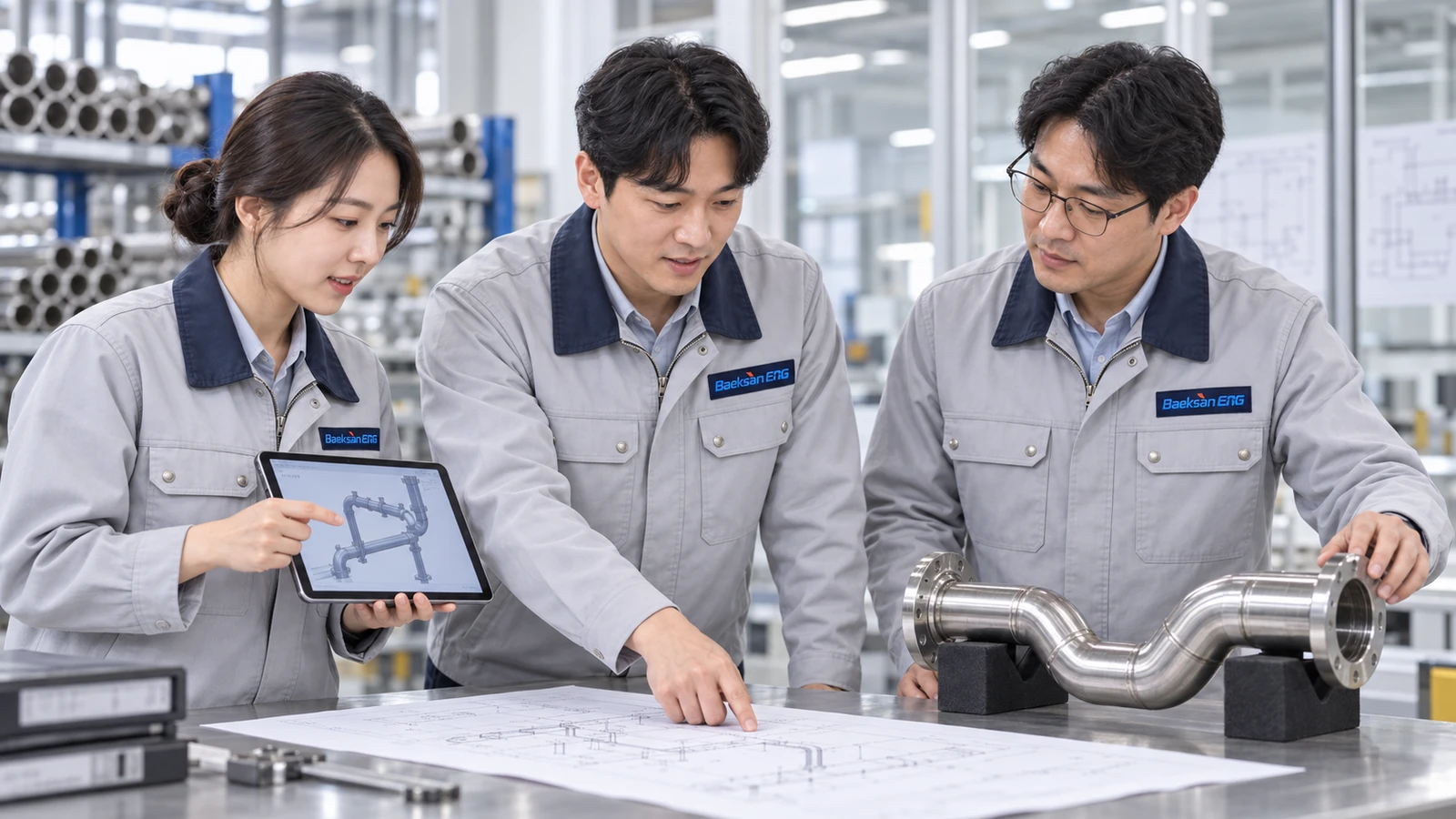
ROLE DIRECTORY
Twelve roles behind every finished piping system.
12 PUBLISHED ROLE GUIDES
Jump to a role guide Choose an area to hear from people who work in it
-
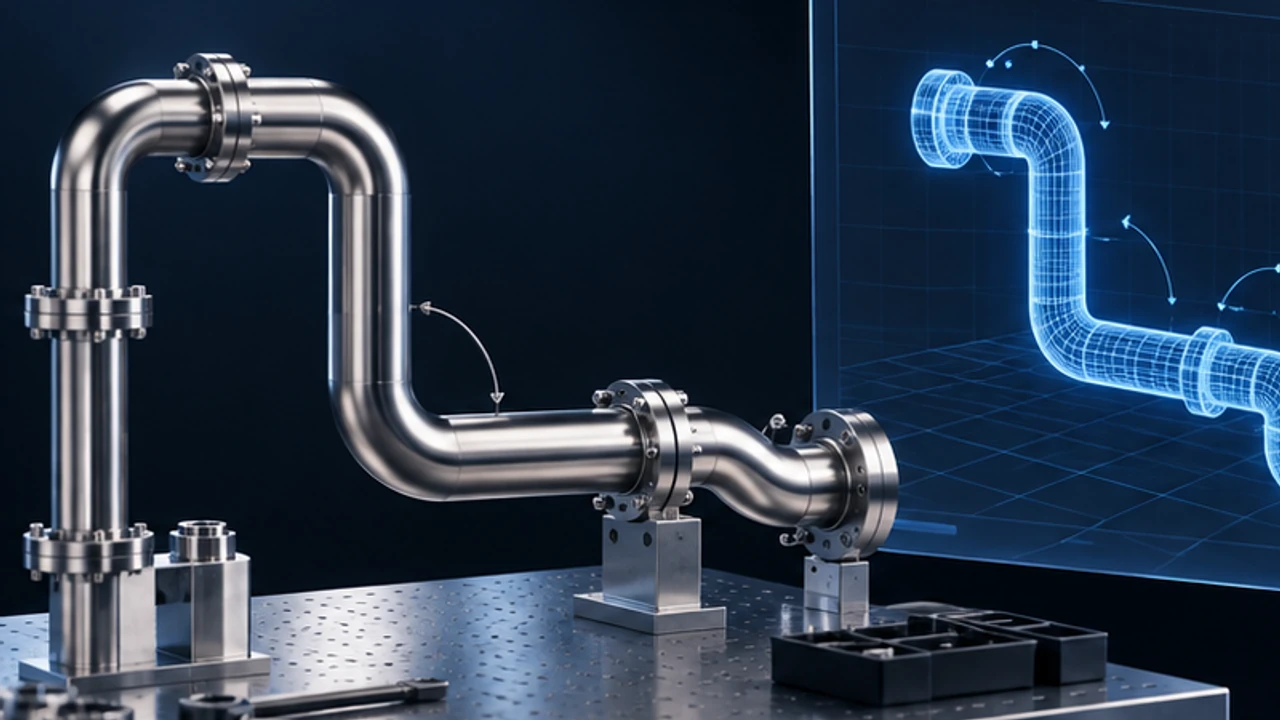
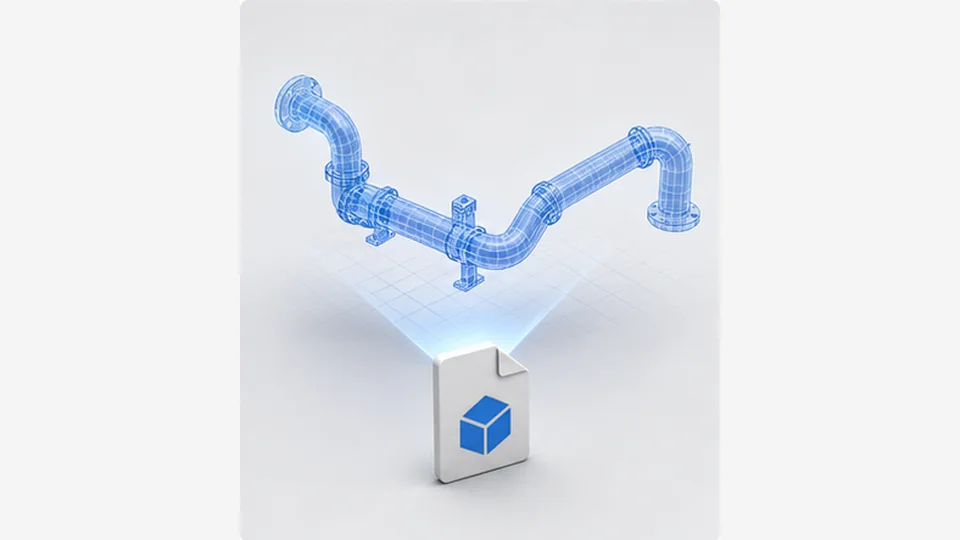 ABM Design Build machine-ready bend programs from design data and verified jobsite measurements Primary setting Fabrication cleanroom Explore ABM Design Educational 3D illustration · Not an actual drawing or site
 -
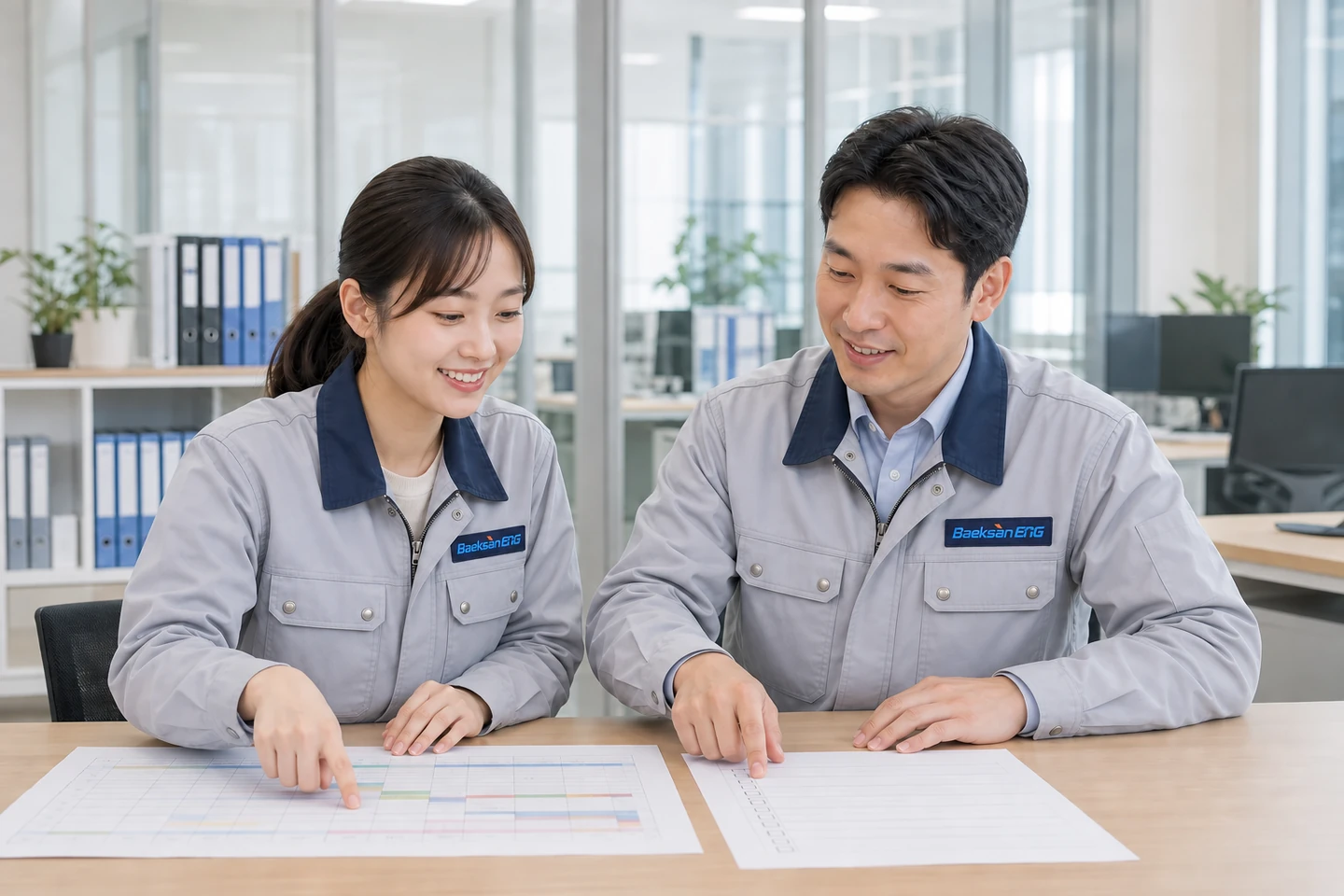 Field Quality Assurance Verify the installed work, document the evidence, and resolve issues before formal inspection Primary setting Office + cleanroom jobsite Explore Field Quality Assurance Scene staged to illustrate the role.
 -
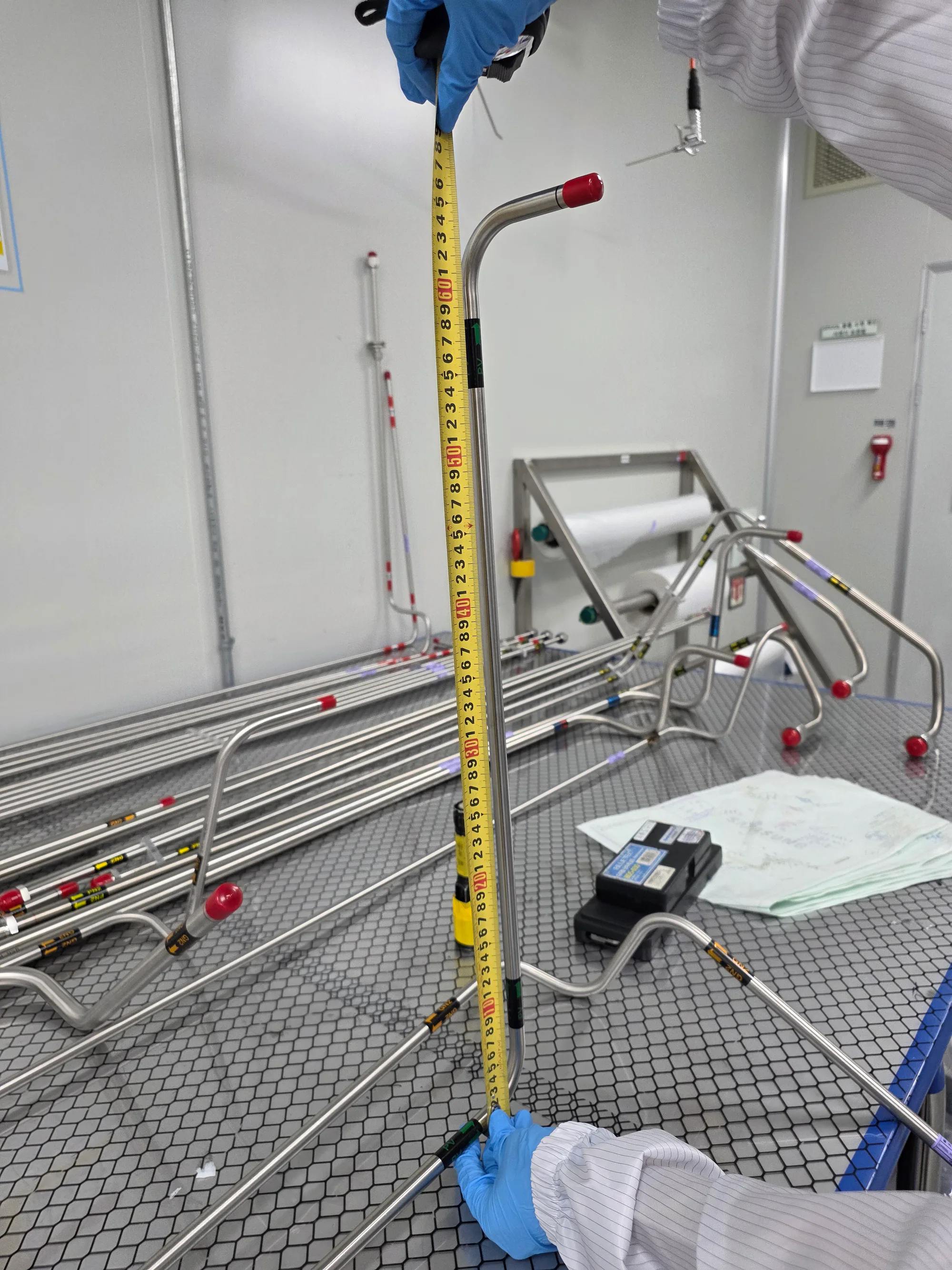 Supplier Quality Verify supplier-fabricated piping against drawings, specifications, and acceptance criteria before release Primary setting Supplier fabrication floor + inspection area Explore Supplier Quality Actual work photos · Customer, project, and location details withheld
 -
 Site Safety Prevent incidents by turning safety requirements into daily jobsite routines Primary setting Jobsite + training room + office Explore Site Safety Actual work photos · Face, name, customer, and contact identifiers removed
 -
 Project Controls Connect scope, schedule, cost, and jobsite conditions so teams can make informed decisions early Primary setting Headquarters + jobsites as needed Explore Project Controls The people shown are fictional depictions created for privacy.
 -
 Site Administration Keep the jobsite running, from initial setup through final closeout Primary setting Pyeongtaek Mulsan site office Explore the Site Administration role The people shown are fictional depictions created for privacy.
 -
 Human Resources Keep employee information accurate and provide clear, consistent support throughout the employment lifecycle Primary setting Headquarters HR team Explore Human Resources The people shown are fictional depictions created for privacy.
 -
 Construction Management Keep fieldwork on track and get the next crew ready to start Primary setting Cleanroom jobsite + site office Explore the Construction Management role The people shown are fictional depictions created for privacy.
 -
 Hook-up Safety Management Routine work deserves a fresh safety check every day. Primary setting Hook-up jobsite + training room + safety office Explore the Hook-up Safety Management role The people shown are fictional depictions created for privacy.
 -
 Logistics and Materials Keep work moving by getting the right materials to the right place at the right time Primary setting Anseong factory warehouse + loading area + office Explore the Logistics and Materials role The people and work scenes shown are fictional depictions created for privacy.
 -
 Cost & Quantity Control Match completed work with its value so the company can bill and collect the right amount. Primary setting Office Explore the Cost & Quantity Control role The people shown are fictional depictions created for privacy.
 -
 Researcher (AI & Process Automation) Move field work onto digital tools, and use the data that builds up along the way to prepare BAEKSAN ENG’s own AI Primary setting Department floor + office Explore the Researcher role 3D illustrations and motion graphics created for this guide.
SHARED OPERATING PRINCIPLES
Meet the requirements. Keep improving how we work.
Across every role, we meet customer requirements and uphold safety and quality standards while reducing unnecessary delays and rework. We look for better ways to get the job done and make proven improvements part of our everyday work.
-
Confirm the requirements
Start with the customer’s requirements, drawings, specifications, safety rules, and quality criteria.
-
Find delays and rework risks
Spot avoidable delays, repeated handoffs, missing preparations, and conflicts between tasks before they affect the schedule.
-
Streamline the work
Clarify the work sequence, responsibilities, and handoffs so the team can move efficiently.
-
Agree on the change
Review the benefits and risks, agree on the scope with the customer, and put the change into practice.
-
Make improvement repeatable
Check the results, then standardize or automate repeatable tasks so the improvement carries over to the next job.
We build on each improvement. A better way of working today becomes part of how we do the next job.
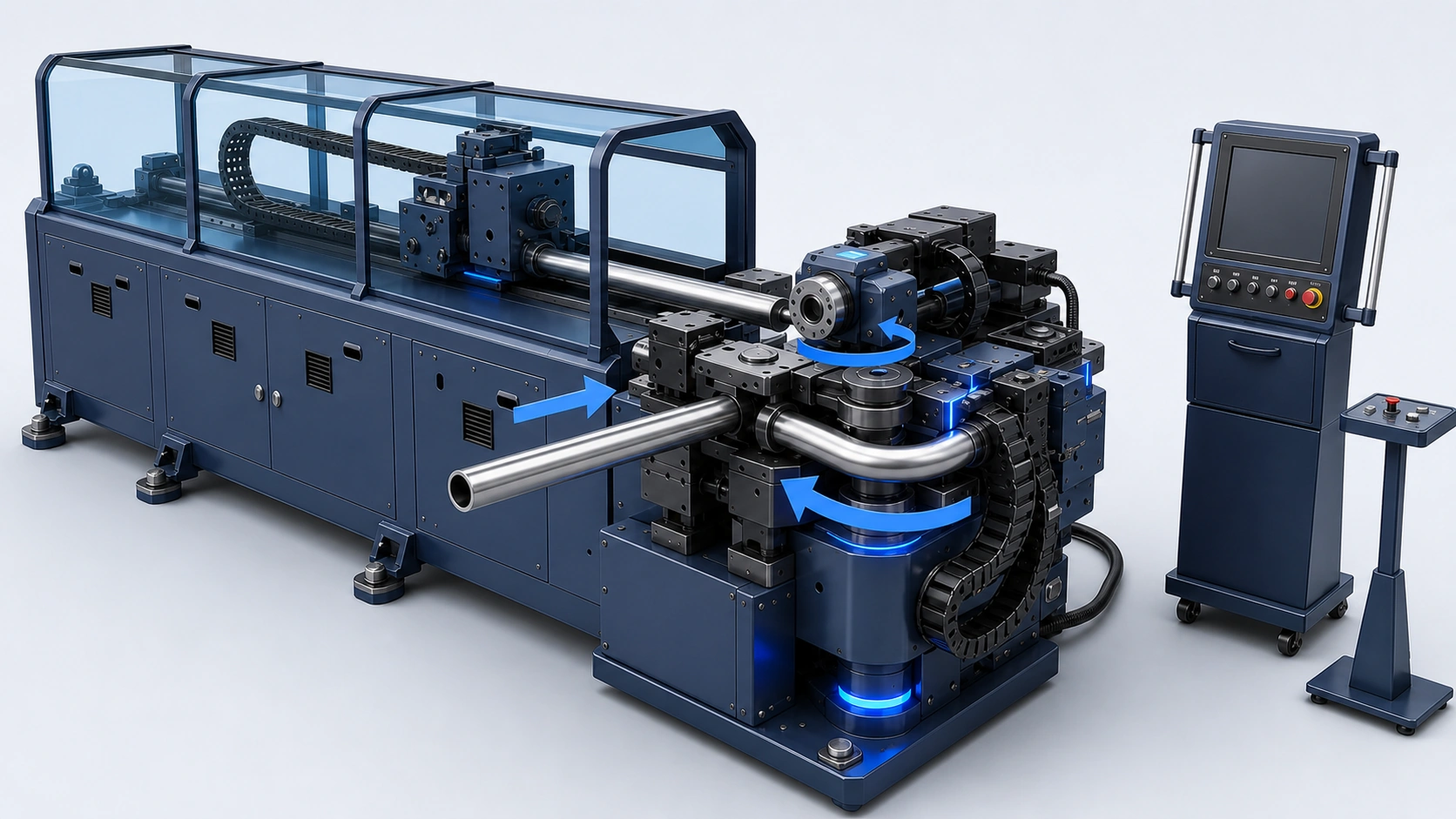
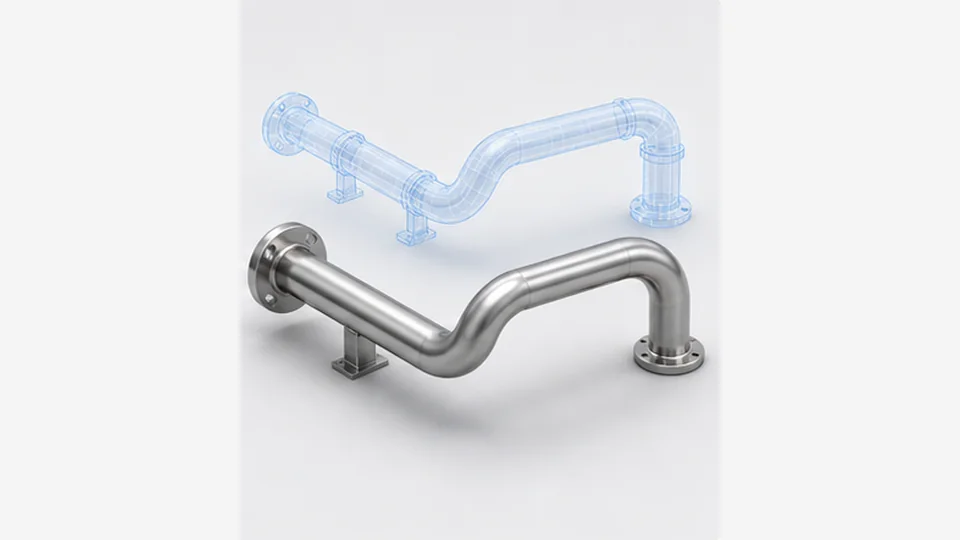
Educational 3D illustration · Not an actual drawing or site
DESIGN → FABRICATION
ABM Design
Build machine-ready bend programs from design data and verified jobsite measurements
Check pipe geometry and machine movement before fabrication to catch interference and reduce rework.
- 01Primary setting
- Fabrication cleanroom
- 02Starting point
- 5DX data + jobsite measurements
- 03Deliverables
- Machine data + finished pipe

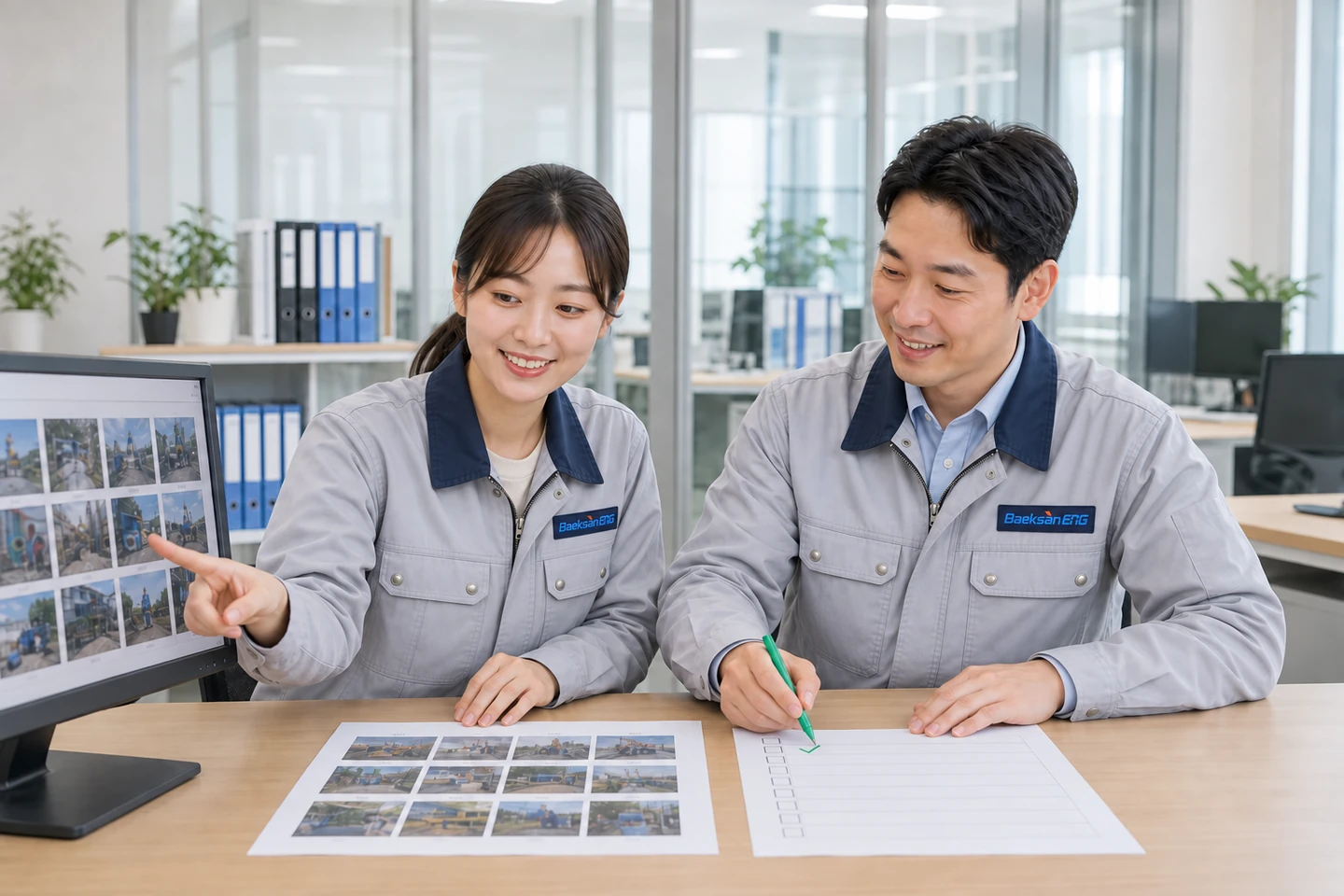
Scene staged to illustrate the role.
FIELD → EVIDENCE
Field Quality Assurance
Verify the installed work, document the evidence, and resolve issues before formal inspection
Compare drawings with installed work before inspection to prevent omissions and rework.
- 01Primary setting
- Office + cleanroom jobsite
- 02Starting point
- Work plan + drawings + installed conditions
- 03Deliverables
- Inspection checklists + supporting records + corrective action records
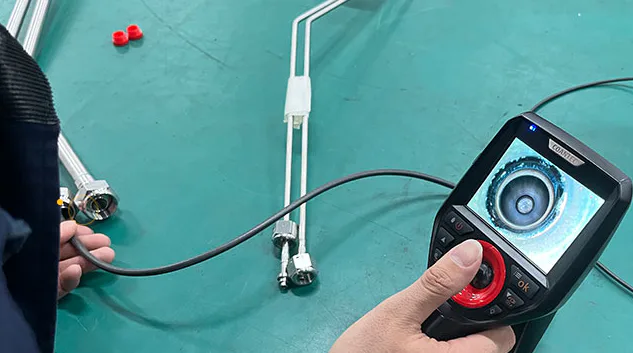
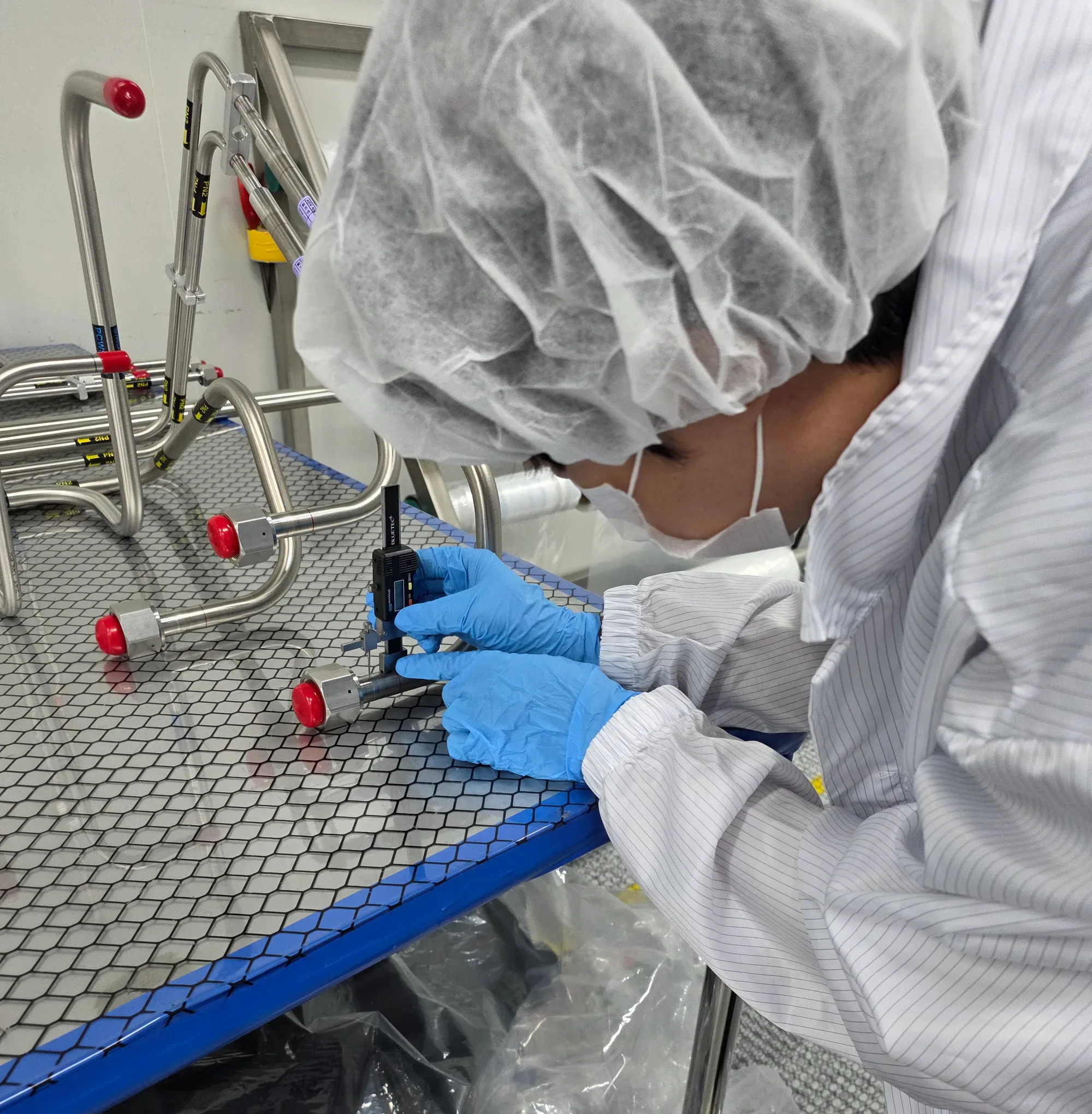
Actual work photos · Customer, project, and location details withheld
STANDARD → INSPECTION → RELEASE
Supplier Quality
Verify supplier-fabricated piping against drawings, specifications, and acceptance criteria before release
Complete measurements and reinspection before shipment to reduce the risk of problems on site.
- 01Primary setting
- Supplier fabrication floor + inspection area
- 02Starting point
- Drawings + specifications + acceptance criteria
- 03Deliverables
- Measurements + reinspection records + shipment approval
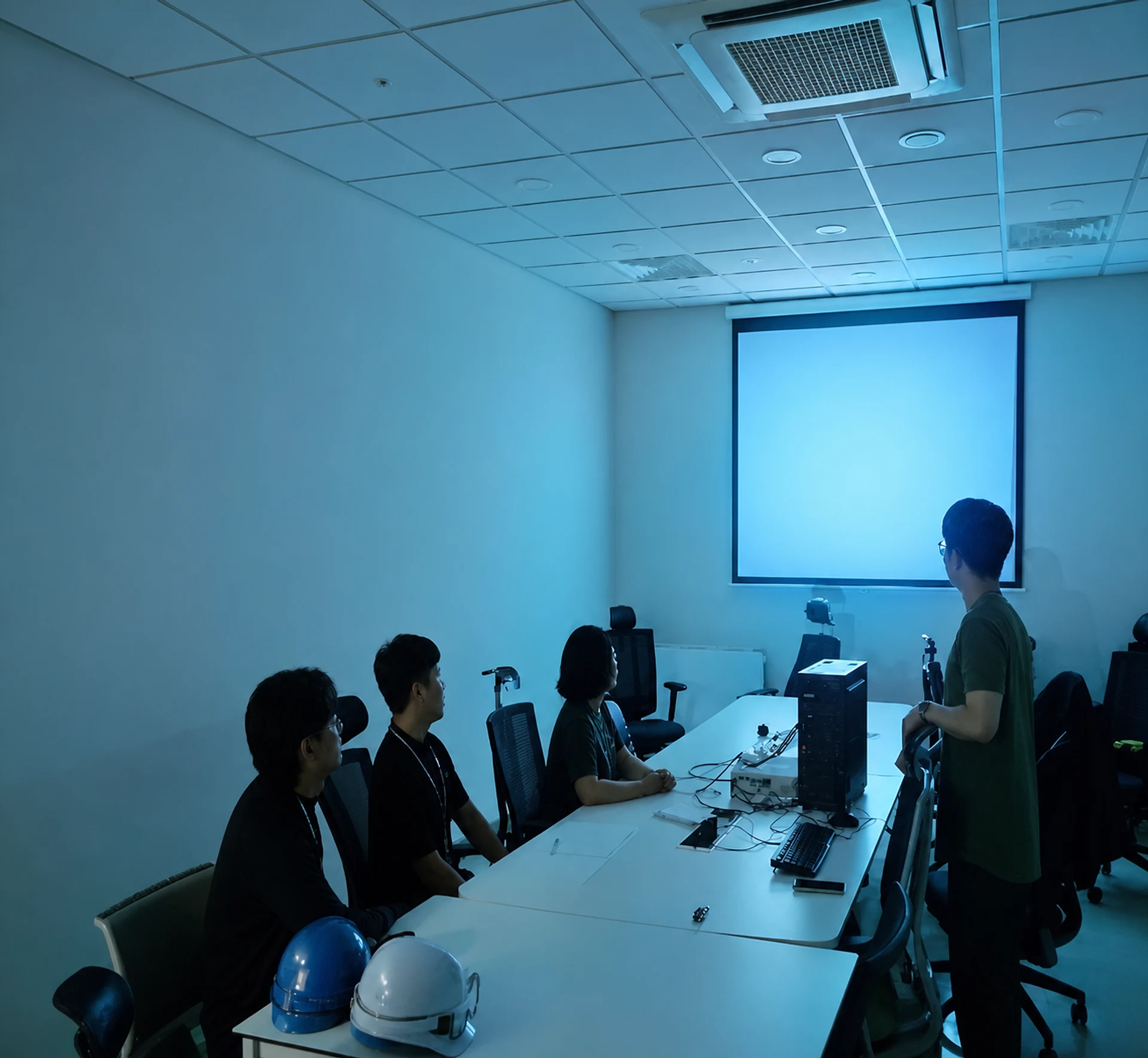
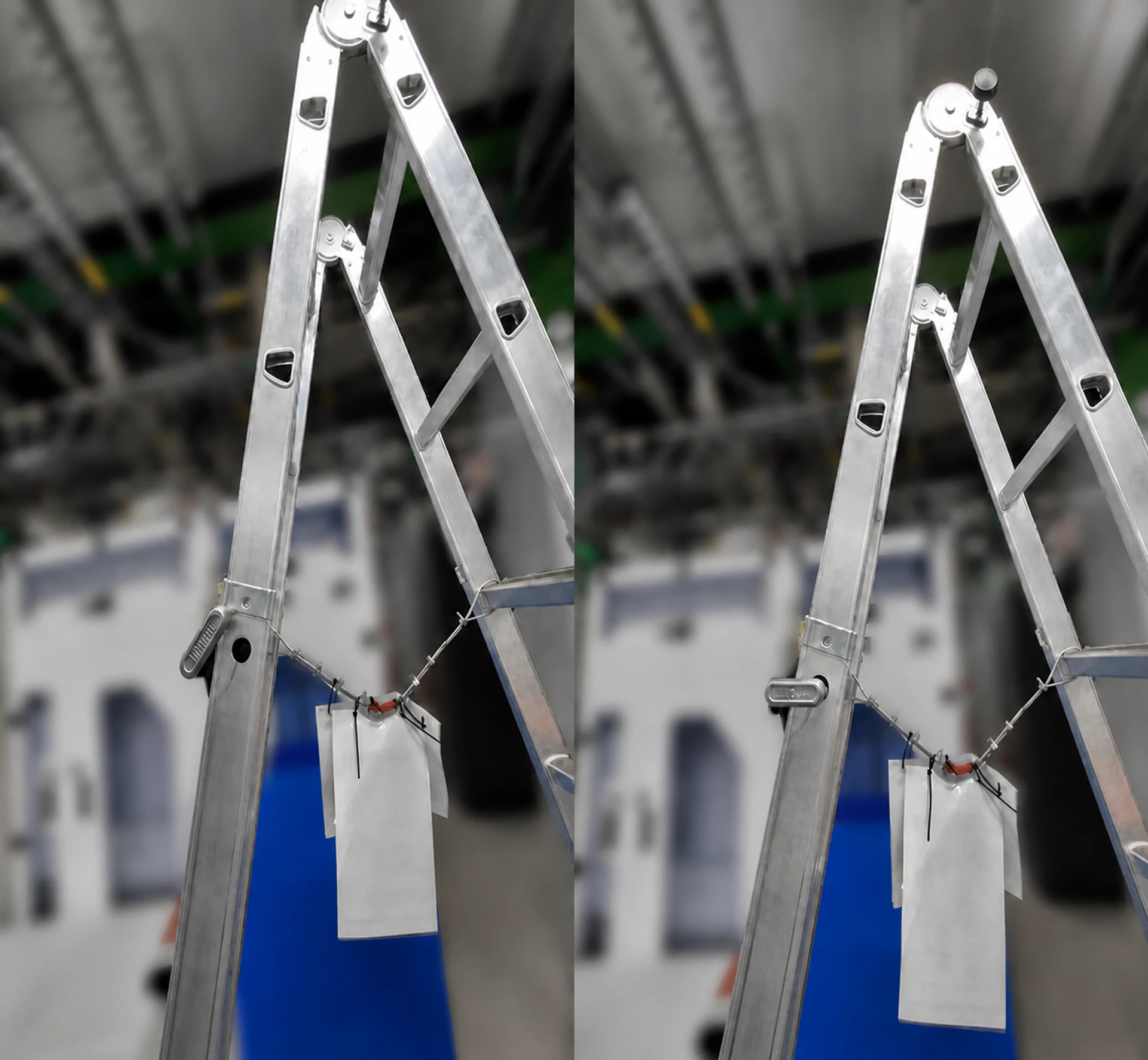
Actual work photos · Face, name, customer, and contact identifiers removed
OBSERVE → EDUCATE → IMPROVE
Site Safety
Prevent incidents by turning safety requirements into daily jobsite routines
Verify conditions before and after corrective action so the same hazard is less likely to recur.
- 01Primary setting
- Jobsite + training room + office
- 02Starting point
- Work plan + incident history + jobsite reports
- 03Deliverables
- Preventive measures + corrective action records + safety documentation


The people shown are fictional depictions created for privacy.
PLAN → ANALYZE → ACT
Project Controls
Connect scope, schedule, cost, and jobsite conditions so teams can make informed decisions early
Identify differences between planned and actual performance early, take action, and check the results.
- 01Primary setting
- Headquarters + jobsites as needed
- 02Starting point
- Contract scope + planned and actual performance
- 03Deliverables
- Action plans + decision support + follow-up records


The people shown are fictional depictions created for privacy.
OPEN → OPERATE → CLOSE
Site Administration
Keep the jobsite running, from initial setup through final closeout
Keep progress billing records and contract changes organized throughout the project to reduce payment disputes and closeout delays.
- 01Primary setting
- Pyeongtaek Mulsan site office
- 02Starting point
- Contract terms + mobilization plan + site requests
- 03Deliverables
- Site records + billing documentation + final account reconciliation


The people shown are fictional depictions created for privacy.
ONBOARD → SUPPORT → RETAIN
Human Resources
Keep employee information accurate and provide clear, consistent support throughout the employment lifecycle
Cross-check source records to prevent missing or incorrect payroll, insurance, and contract updates.
- 01Primary setting
- Headquarters HR team
- 02Starting point
- Employment terms + employee data + attendance changes
- 03Deliverables
- Payroll and benefits updates + contract records + employee guidance


The people shown are fictional depictions created for privacy.
PLAN → COORDINATE → DELIVER
Construction Management
Keep fieldwork on track and get the next crew ready to start
Track current progress and prepare the next work area to reduce conflicts, delays, and rework.
- 01Primary setting
- Cleanroom jobsite + site office
- 02Starting point
- Schedule + drawings + materials and staffing + site conditions
- 03Deliverables
- Progress by work area + readiness for the next task + issue reports
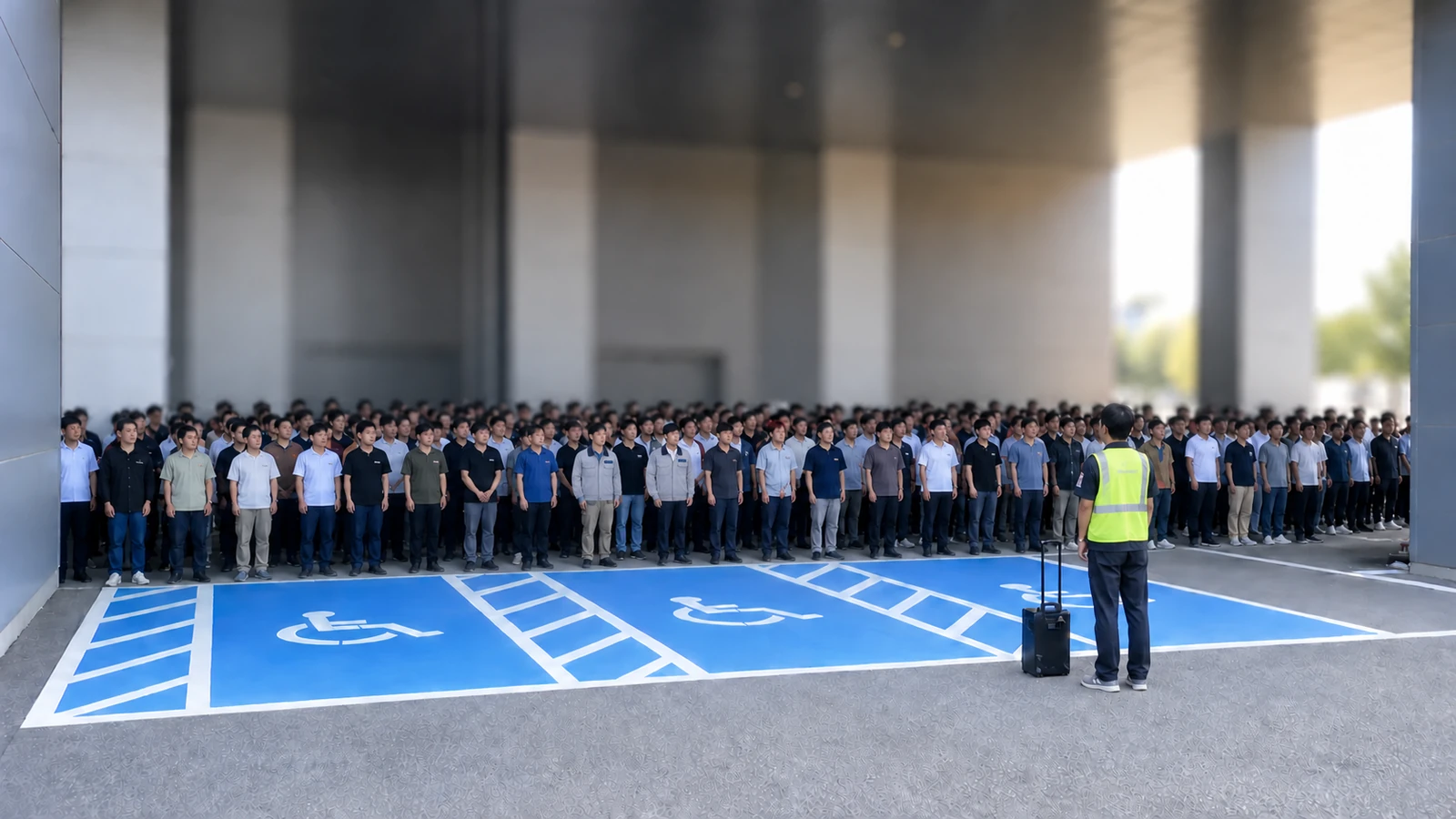
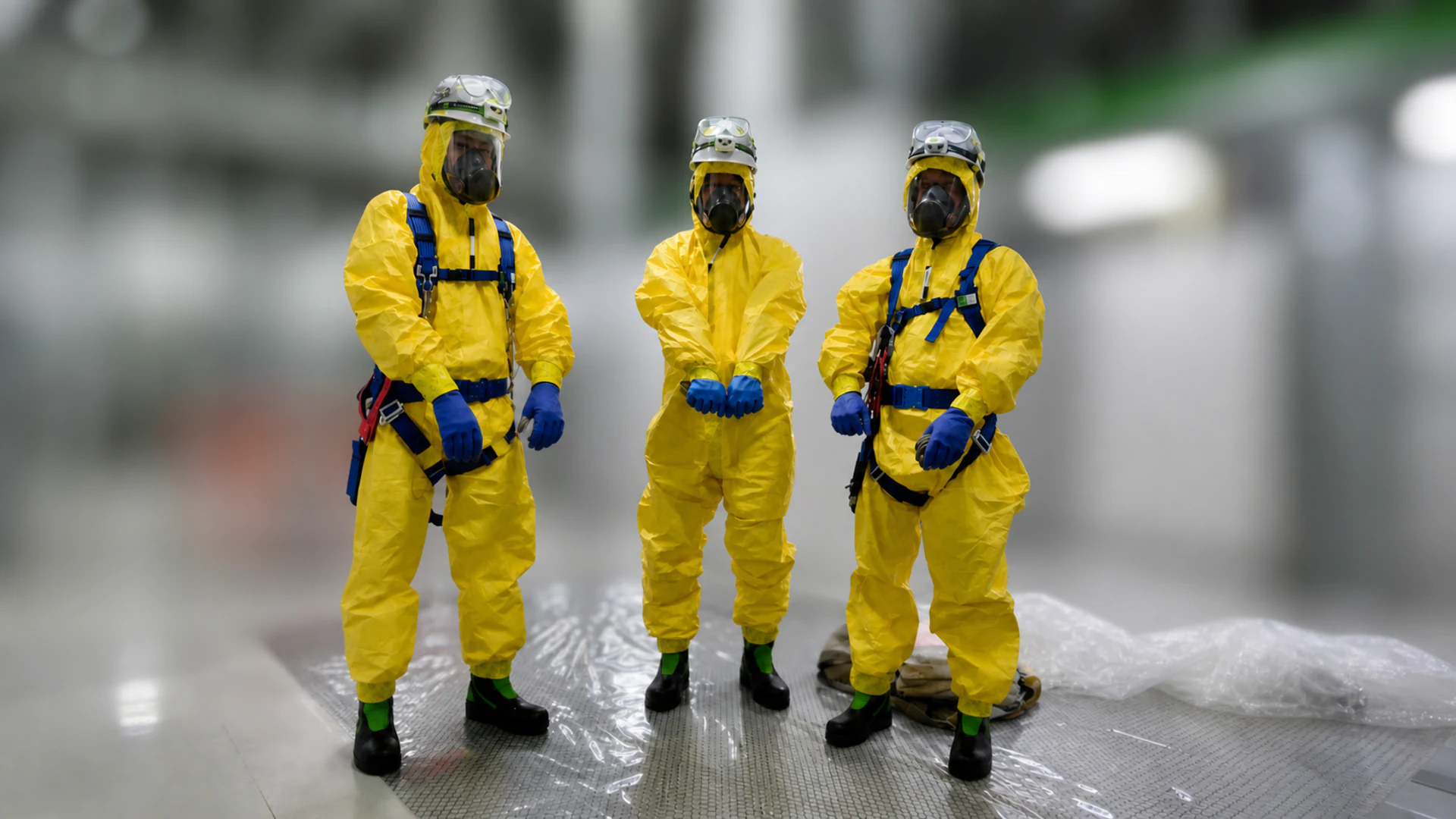
The people shown are fictional depictions created for privacy.
PLAN → CHECK → ACT
Hook-up Safety Management
Routine work deserves a fresh safety check every day.
Apply consistent safety checks to routine work, verify corrective actions, and use the findings to prevent hazards on the next job.
- 01Primary setting
- Hook-up jobsite + training room + safety office
- 02Starting point
- Work plan + operating procedures + risk assessment + site reports
- 03Deliverables
- Corrective actions + training and inspection records + preventive measures


The people and work scenes shown are fictional depictions created for privacy.
RECEIVE → LOCATE → DELIVER
Logistics and Materials
Keep work moving by getting the right materials to the right place at the right time
Automate order entry, quantity totals, and delivery receipt sorting to reduce repetitive data entry and preparation time.
- 01Primary setting
- Anseong factory warehouse + loading area + office
- 02Starting point
- Orders + delivery notes + site requests + dispatch status
- 03Deliverables
- Receiving and shipping records + storage locations + order preparation and dispatch status


The people shown are fictional depictions created for privacy.
CHECK → BILL → COLLECT
Cost & Quantity Control
Match completed work with its value so the company can bill and collect the right amount.
Reconcile drawing quantities with completed work to catch unbilled amounts and resolve outstanding items sooner.
- 01Primary setting
- Office
- 02Starting point
- CAD drawings + material quantities + construction progress
- 03Deliverables
- Billing amounts + payment status + next-month forecast


3D illustrations and motion graphics created for this guide.
WORK → DATA → AI
Researcher (AI & Process Automation)
Move field work onto digital tools, and use the data that builds up along the way to prepare BAEKSAN ENG’s own AI
DX built for AX—move repetitive work onto digital tools to shorten it, and use that data to prepare our own AI.
- 01Primary setting
- Department floor + office
- 02Starting point
- Repetitive work + handwritten and Excel records
- 03Deliverables
- In-house apps and websites + growing data
Explore more careers through employee interviews.
For roles that do not yet have a full guide, start with the people doing the work.
Explore employee interviews* Interview names and profile images are fictionalized for privacy. Each role guide identifies whether its work photography is staged or authentic.