
ROLE GUIDE 01
ABM Design
Build machine-ready bend programs from design data and verified jobsite measurements
Based on the day-to-day work of a Manufacturing Technology employee. The illustrations contain no customer or jobsite information.
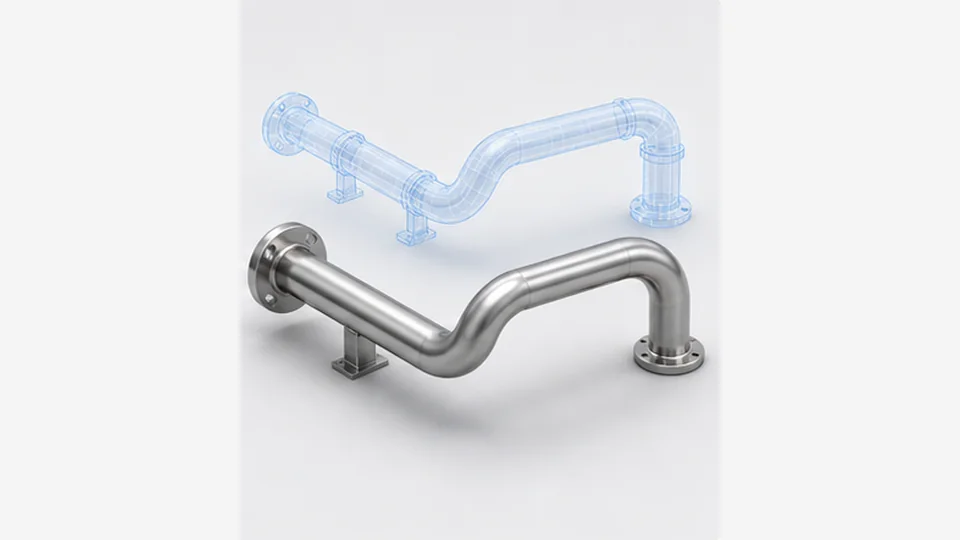
START WITH ABM
ABM stands for automatic bending machine
An ABM feeds, rotates, and bends straight tube according to a programmed sequence. ABM designers prepare and verify the fabrication data that controls each movement.
- Y
Feed forward
Move the tube forward by the required length.
- B
Rotate
Turn the tube around its axis to set up the next bend.
- C
Bend
Form the tube to the programmed angle.
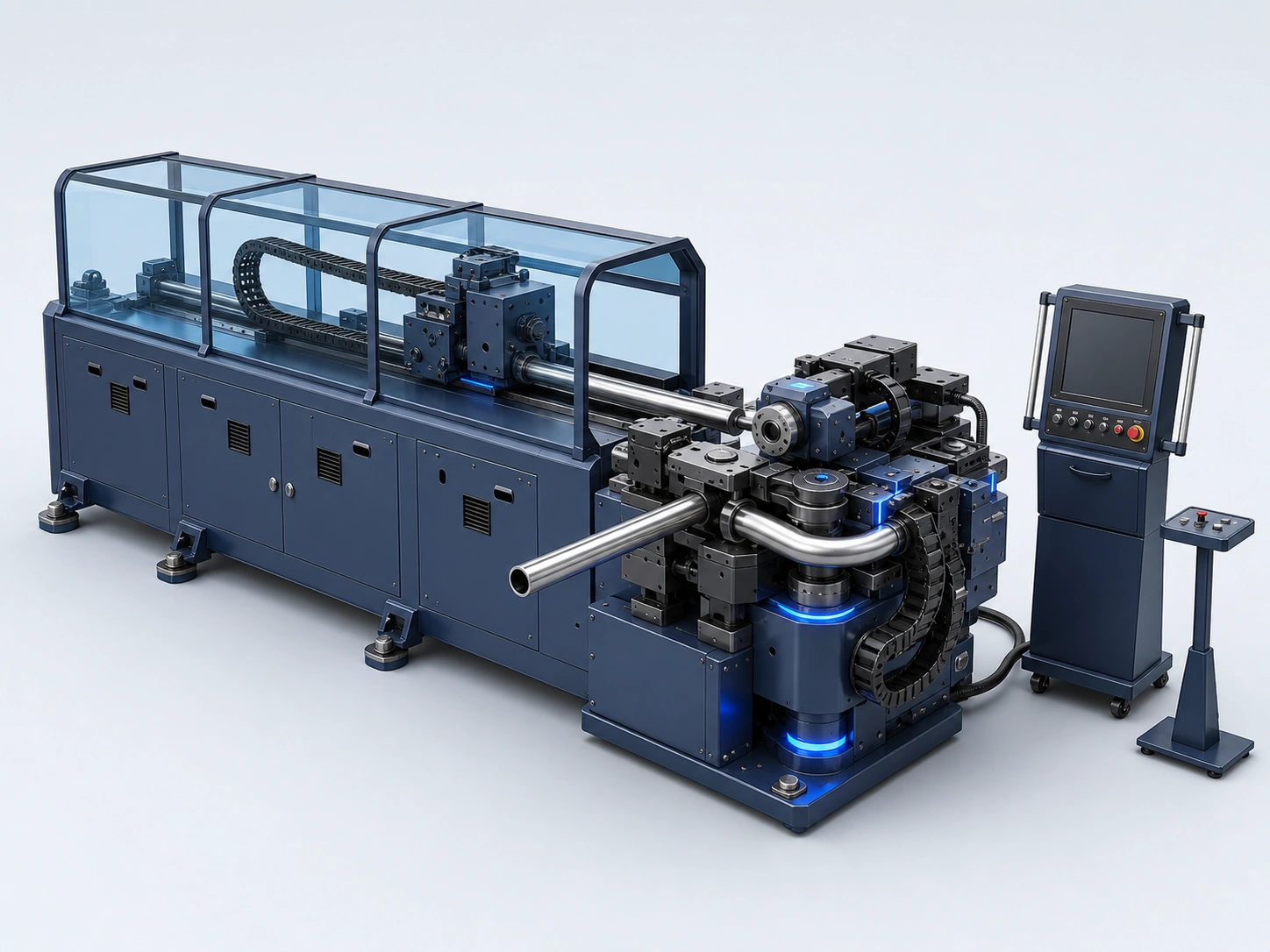
ABM · Y B C
01 5DX + Field Data
Piping design data and measurements checked on site
5DX · Field data
From jobsite data to finished pipe
The work produces machine-ready fabrication data and finished piping based on verified jobsite measurements.
01INPUT
5DX + Field Data
Piping design data and measurements checked on site
02PROCESS
Correction + Simulation
Resolve differences and verify the geometry and bend sequence
03OUTPUT
Machine Data + Finished Pipe
An ABM-ready program and the physical bent pipe
FROM DATA TO PIPE
How design data becomes a finished pipe
Follow the seven steps from the incoming 5DX file to verified fabrication data and a finished bent pipe.
01 / 07 ABM WORKFLOW
Receive the 5DX data
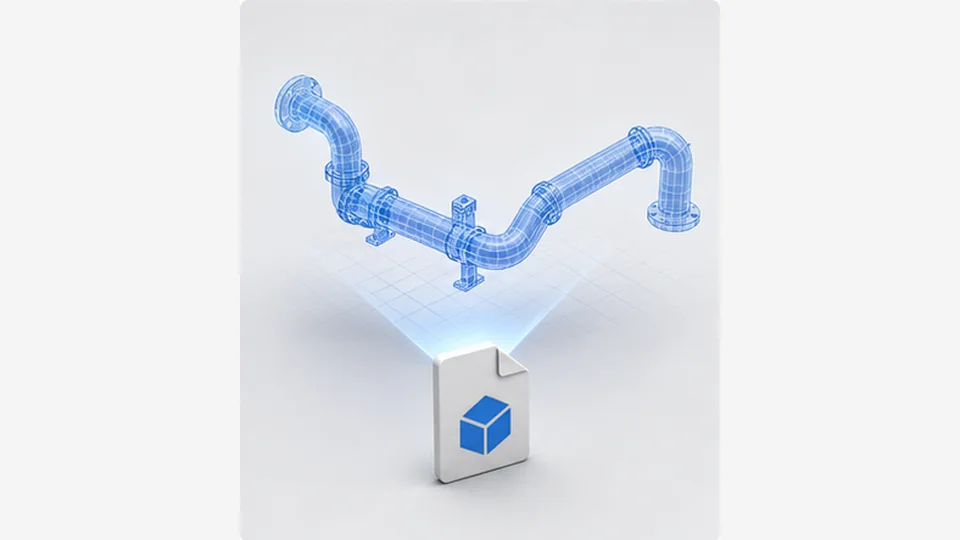
Start with a supplied 5DX piping design file, then prepare the data for fabrication by checking it against jobsite measurements.
A DAY IN THE ROLE
Move between design work and the shop floor
ABM design connects fabrication data, equipment, and the people making the pipe.
01START
Fabrication check and toolbox talk
Review fabrication progress and staffing, then share the day’s work and any unusual conditions.
02DESK
Design and field-data review
Compare the 5DX information with measured values and organize fabrication-ready data in 3D Pipe Editor.
03SHOP
Fabrication and skills testing
Follow the pipe through fabrication and help administer pipefitter skills tests.
04SYSTEM
Equipment support
Monitor and maintain the ABM so fabrication remains reliable.
05IMPROVE
Coding and automation
Work with in-house developers on tools that make repetitive design and fabrication tasks faster and more accurate.
TOOLS & TERMS
Five things worth knowing before you apply
You do not need to know every tool on day one. Start by understanding what each one contributes to the job.
- 015DX
- A supplied file containing piping design data. ABM designers check this data against verified jobsite measurements before preparing it for fabrication.
- 02Jobsite measurements
- Lengths, positions, and other dimensions measured on site. These measurements guide fabrication when site conditions differ from the design.
- 033D Pipe Editor
- BAEKSAN ENG’s in-house software for applying measurements, reviewing geometry, and preparing fabrication values and simulations.
- 04Y · B · C
- The sequence an ABM uses to form a pipe: Y is feed length, B is tube rotation, and C is bend angle.
- 05TUBE data
- The reviewed fabrication values exported as a machine program the ABM can execute.
WHO FITS
A strong fit for people who work this way
You do not need perfect CAD skills. A willingness to understand how drawings relate to the jobsite and a habit of double-checking measurements matter more.
- 01You verify a number twice before handing it off.
- 02You want to understand both screen-based design and physical fabrication.
- 03You ask experienced teammates when you need to understand a site condition.
- 04You are interested in using code and new tools to improve repetitive work.
- 05You pick up 3D spaces and new controls quickly, whether in games or 3D tools.
FROM THE TEAM
ABM design, in the words of the team
“I move between the screen and the fabrication floor all day.
“Coding becomes a valuable tool when it can make repetitive design and fabrication work faster and more accurate.
“It is especially rewarding to put a new idea to work in the actual fabrication process.
Nayeon Kim · Manufacturing Technology · ABM Design
* Based on employee experience. Names and profile images are fictionalized for privacy.